Italy's Amalfi Coast: What a Package Actually Covers
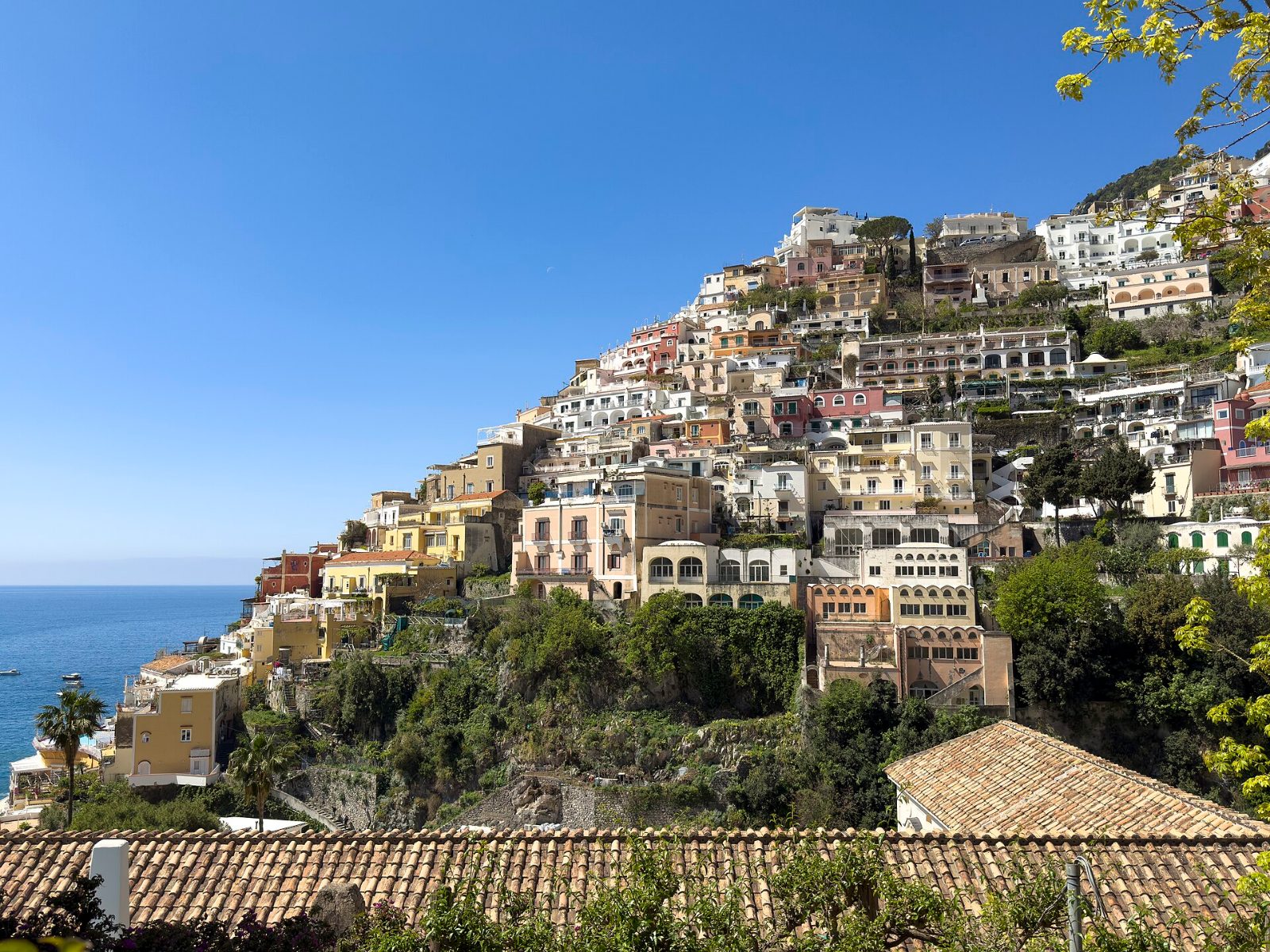
On the Amalfi Coast a package tour is often not a tour at all. Much of what sells under that name is a hotel, transfers and a list of day trips sold on the ground. That can be good value: this coast is hard to drive, and the hotel is most of the experience. This guide sets out what a package here covers, what it leaves you, and which questions decide whether the price is fair.
A package here is usually a base, not a circuit
Our destination checklist puts the standard shape at three or four nights on the coast, either inside a week-to-ten-day southern Italy package with Naples, Pompeii and Capri, or as a stand-alone stay with day trips attached. The second kind is more common than first-time buyers expect, and many listings have no touring element at all once you arrive.
That difference matters when two listings carry different prices. One may be a guided trip with a leader for the whole stay. The other may be a room, two transfers and a welcome meeting. Both are sold as packages. The itinerary vocabulary guide covers the wording operators use to blur that line.
The transport line is where the day goes
One road runs this coast. It is narrow, hairpinned and shared with buses, scooters and delivery vans, and in season it backs up. How a package moves you along it is not a comfort detail. It is the main thing separating a relaxed stay from a day spent in traffic.
- Private driver or small van. The most expensive arrangement and the one that makes distances tolerable. Confirm whether it covers only the arrival and departure transfer, or the day trips as well.
- Ferry. The best tool in the warm months because it bypasses the road entirely. It is also weather-dependent, and the sailing season is shorter at both ends than the hotel season.
- The coast bus. Cheap and frequent in theory, standing-room-only in practice when a cruise ship is in port. A listing that says transport is included sometimes means bus tickets.
- Rail to a gateway, then road. Sorrento and Salerno are the usual handover points between the train and whatever the operator uses from there.
Ask one question in writing: on each day of the itinerary, who is moving you, and is that cost inside the price? An operator that answers precisely is telling you it has run the trip before.
The base town is the single biggest variable
Packages here are sold on the hotel, so the town the hotel sits in decides most of the trip. The four usual bases are not interchangeable. A listing that says only "Amalfi Coast" is withholding the most useful fact on the page.
- Sorrento. Not strictly on the Amalfi Coast, but the easiest base for transport, with the rail link and the widest hotel supply. Many of the cheaper packages are based here.
- Positano. The photograph everyone has already seen, built down a cliff face. Highest prices, hardest walking.
- Amalfi. The working town of the coast, flatter at the waterfront, with ferry connections.
- Ravello. Above the coast rather than on it. Quiet and cooler, and dependent on a road or a long climb for everything.
Towns that look adjacent on a map are separated by that one slow road. Treat a package promising several of them in a single day with scepticism, and check whether you are expected to change hotels mid-stay and who moves the luggage if you are.
Stairs are a specification, not a detail
This coast is vertical. Our destination page warns that a Positano hotel described as a short walk to the beach can mean a couple of hundred steps each way, with no lift and no vehicle access at the door. Operators rarely put any of that in the listing.
If mobility, knees, luggage or a stroller are in the picture, this is a question for before the deposit rather than after. Ask for the hotel's own description of its access, and ask whether anyone meets the car with the bags.
Capri, Pompeii and the optional-excursion block
Most Amalfi packages carry a list of day trips sold on the ground: Capri, Pompeii, Herculaneum, a boat afternoon, a lemon farm, a cooking class. Some are included, most are not, and the listing often places them in the same visual block either way.
Capri is the one to interrogate. The crossing, the queue for the funicular and the return boat all eat the day, so the number that matters is hours actually ashore. Ask for it. An operator unwilling to commit to one is describing a transfer, not an excursion.
Where those extras are sold through a marketplace rather than by the operator, the cancellation terms are the marketplace's and differ by platform, as our guide to free cancellation on day-tour marketplaces sets out.
What the coast package usually leaves out
- International flights, and anything needed to reach the gateway airport.
- Most lunches and dinners. On a base-and-transfers package, close to all of them.
- The local accommodation tax. Ask whether it is prepaid or collected at check-in.
- Tips for drivers and guides, which some operators quote as a daily amount.
- Beach clubs. Much of the usable shoreline is run privately, and a sunbed and umbrella are charged separately.
- The single supplement, if you are travelling alone.
Why this page names no prices or deposit figures
Prices are left out of this site on purpose: they change weekly, and a stale number is worse than none. On this coast they also swing hard between the shoulder months and August, so a figure published here would mislead more often than it helped.
Deposit amounts, balance dates and cancellation percentages are a separate matter. Those are set in each operator's booking conditions, and they differ by brand and by the region you book from. There is no industry-wide number to quote, and this page does not invent one.
Take them from the version of the terms that governs your own booking, and use our payment timeline guide for the order the dates fall in. If a non-refundable long-haul fare is attached to the trip, the travel insurance guide covers what an operator's own liability does not reach.
When to go, and what that does to the package
April to June and September to October are the sensible windows. July and August are hot and crowded, and the coast road jams for hours. The season also decides which transport the operator can actually use, since the ferries that make the coast pleasant do not run all year.
A shoulder-month package is cheaper and quieter, and it carries a real trade-off: shorter ferry schedules, some beach clubs shut, and a higher chance that a boat day is replaced by a road day. Ask what the substitution is before you book, not on the morning it happens.
Bottom line
An Amalfi package is usually buying you a hotel in a difficult place to drive, plus the logistics to survive the coast road. Judged on that, a good one earns its mark-up and a vague one does not. The test is whether the listing names the town, the transport and the hours, or only the view.
If it names only the view, treat it as a hotel booking with extras attached and price it against arranging the same thing yourself. Our package versus do-it-yourself checklist runs through the six questions that settle it. Then confirm the following before the deposit clears.
- Which town the hotel is in, by name, and how far it stands from the water and the nearest bus stop.
- Who moves you on each day of the itinerary, and whether that cost is inside the price.
- Whether the stay is in one hotel or two, and who carries the luggage between them.
- The hotel's own wording on steps, lifts and vehicle access.
- Which day trips are included and which are sold on the ground.
- Hours actually ashore on any Capri or island day.
- Whether the local accommodation tax is prepaid.
- The deposit, balance date and cancellation scale in the booking conditions that govern your booking, not the summary printed on the tour page.