Package Tour or Plan It Yourself? A Decision Checklist
Packaged tours carry a reputation for being expensive and rigid. Sometimes that is true. But in a handful of destinations the package is cheaper than doing it yourself, and in a few it is the only realistic way in. Here is how to tell which case you are in.
1. Is there a permit, quota or timed ticket?
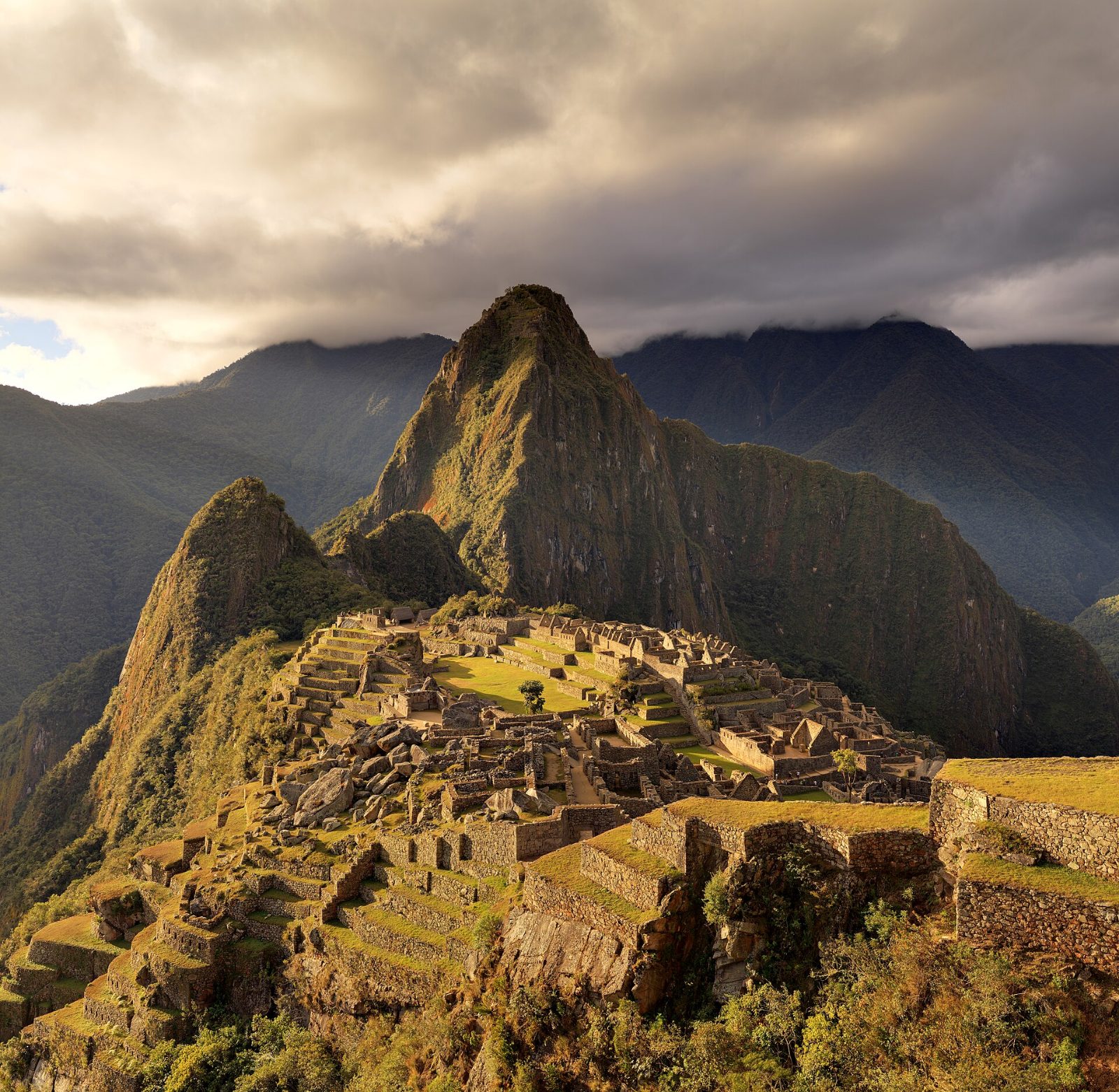
Machu Picchu's Inca Trail, Bhutan, some Galapagos itineraries and Kyoto's most popular temples in blossom season all run on quotas. When supply is capped, operators hold allocations that individuals cannot easily get. Here the package is not a convenience but the access itself.
2. How much ground transport is involved?
A trip that moves every two days by private vehicle (Iceland's ring road, the Sacred Valley, northern Vietnam) is where packages earn their keep: the operator's fixed vehicle cost is split across the group. A trip you can do on a rail pass and metro (Japan's golden route) is cheap to self-plan.
3. Do you speak enough of the language to recover from a problem?
Not to order dinner - to rebook a train, argue a hotel error or get to a clinic. If the honest answer is no, a leader on the ground has real value, and that value rises with how remote the route is.
4. What does the headline price leave out?
- International flights (almost always excluded)
- Single supplement if you travel alone
- Optional activities that everyone ends up doing
- Tips for guides and drivers, which some operators quote as a fixed daily amount
- Visas and entry fees
Add these before comparing with a self-planned budget. On a two-week trip the gap between the brochure price and the real cost is often several hundred dollars.
5. Can you live with fixed dates and a fixed pace?
Group tours leave at 8am whether you slept or not. If you like long breakfasts and changing plans, a private-driver package (common in Bali, Sri Lanka and Morocco) sits between the two extremes: fixed route, flexible hours.
6. What happens if it goes wrong?
Read the cancellation and disruption terms, not the marketing. Weather closures in Ha Long Bay, grounded balloons in Cappadocia and strikes in Peru are routine. Know whether you get a refund, a credit or a substitute before you pay a deposit.
The short version
Permits, lots of driving, remote routes or a language you do not speak: take the package. City breaks on good public transport with your own language widely spoken: plan it yourself and use day-tour marketplaces to fill gaps.