Amalfi Coast, Italy: what a package should include
The honest picture
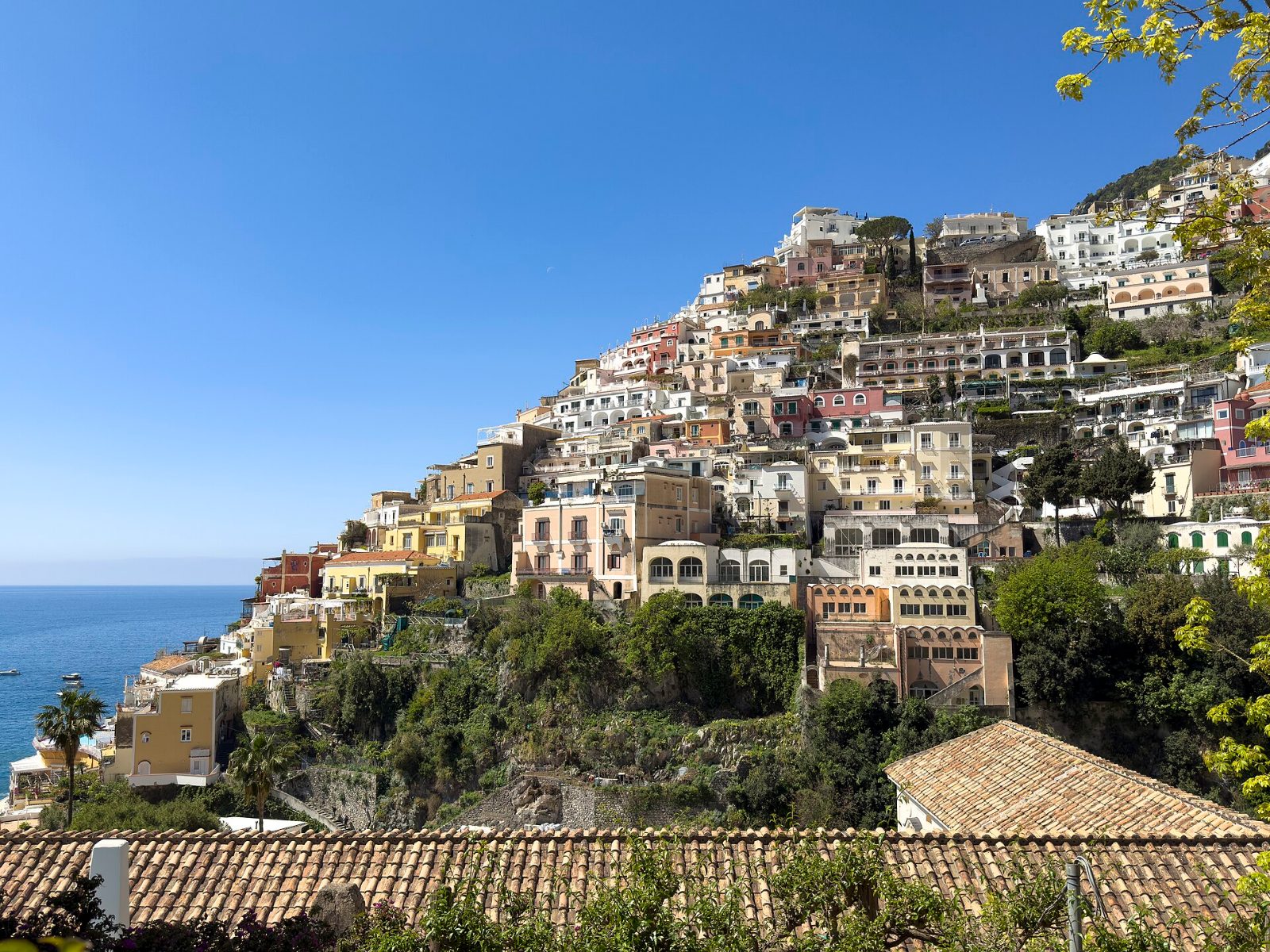
The Amalfi Coast is the stretch of cliffs on the southern side of the Sorrentine peninsula, running from Positano east to Vietri sul Mare near Salerno, with Amalfi and Ravello as the other famous names and a string of smaller towns (Praiano, Conca dei Marini, Minori, Maiori, Cetara) between them. One coastal road, the SS163, links them; the towns themselves climb the cliffs in staircases. The area is a World Heritage landscape and among the most visited coastlines in Europe.
Packages exist here mainly to solve the accommodation and the transport. Hotels with sea views sell out early and cost a great deal in season; getting between towns means the ferry, the SITA bus or a private driver, each with limits; and Capri, Pompeii and Naples are all day trips that need a boat or a train. An operator bundles a hotel, transfers and a couple of excursions and calls it a holiday, which is what most people want from the coast: a base rather than a route.
The honest picture is congestion. From June to September the coast road jams for hours, buses fill at the first stops and leave people standing at the later ones, and Positano's beach and lanes are shoulder to shoulder by late morning. Local authorities have introduced traffic restrictions on the coast road in recent summers, including alternating number-plate rules on peak days, precisely because the road cannot cope. The towns are vertical: a hotel 'a short walk from the sea' can mean two hundred steps, and lifts are rare. Off-season, from November to March, many hotels and the ferries close entirely.
The reward is real. Late spring and early autumn give a warm sea, open restaurants and manageable crowds; Ravello sits above the traffic; the Path of the Gods walk offers the coast without the road; and the food and wine of Campania are among Italy's best.
When to go
April to June and September to October. July and August are hot, crowded and the coast road jams for hours.
What a typical package looks like
3 to 4 nights as part of a 7 to 10 day southern Italy package with Naples, Pompeii and Capri, or as a stand-alone stay with day trips. Many are hotel-plus-transfers rather than guided tours.
| Length | Shape |
|---|---|
| 3 to 4 nights, hotel and transfers | A hotel in Sorrento, Positano or Amalfi with airport transfers and perhaps one included excursion, everything else left to you. The most common form, sold by holiday companies and online packagers; suits couples who want a base and can plan their own days. |
| 7 nights, coast with day trips | The same base plus scheduled days out to Capri, Pompeii and Vesuvius, and a boat trip along the coast, with a rep or local guides. Sold by mainstream tour operators; suits first-time visitors who want the sights organised and the transport worries removed. |
| 7 to 10 days, southern Italy circuit | Naples, Pompeii, two or three nights on the coast, then often Paestum, Matera or Puglia. Sold as coach tours and small-group trips; suits travellers who want the coast as one stop rather than the whole holiday, and who accept a hotel that a coach can reach. |
| 4 to 6 days, walking package | Self-guided or guided walking based in Amalfi, Ravello or Praiano, using the old mule paths, the Path of the Gods and the Valle delle Ferriere, with luggage moved between hotels where the route moves. Sold by walking specialists; suits active travellers in spring or autumn who want to avoid the road altogether. |
What the price includes, and where money leaks
The headline price on a coast package normally covers the hotel with breakfast and the airport or station transfer, and sometimes one excursion. It normally excludes the city tax charged per person per night and collected by the hotel, lunches and dinners, ferry tickets unless an excursion includes them, beach-club fees for a sunbed on the private beaches that make up most of the coast's sand, and entry to Pompeii, the villas at Ravello or the Emerald Grotto. The single supplement on the coast is large because rooms are priced for two, and sea-view rooms carry their own surcharge on top.
Money leaks through transport and views. A room described as 'sea view' may look sideways at the sea over a road; 'partial sea view' is a hint. Private transfers on the coast road are expensive because a driver's time in traffic is expensive; a package that uses the SITA bus or a shared shuttle from Naples is cheaper and slower. Capri day trips add ferry fares, the funicular and boat trips around the island once ashore. Half-board deals can be worthwhile in Positano, where restaurant prices are high, and poor value in Sorrento, where they are not.
Compare quotes on the base town, the exact hotel position relative to the sea and the road, whether transfers are private or shared, and what the excursion days actually include in hours ashore. A four-night package in Sorrento and a four-night package in Positano with identical wording are not comparable products; Sorrento is a transport hub with a big-town feel, Positano is the postcard and the steps.
Getting there
Naples airport is the main gateway, an hour and a half to two hours from Positano by road in good conditions and considerably more in summer traffic. Rome is a common alternative with a high-speed train to Naples or Salerno. Salerno's own airport has recently reopened to commercial flights and serves the eastern end of the coast, though routes are still limited. From Naples, the options are a private transfer, the Circumvesuviana train to Sorrento (slow and crowded but cheap) and then bus or ferry, or the high-speed train to Salerno and a ferry along the coast in season.
Packages usually include a private or shared transfer from Naples, and this is one of the more valuable inclusions on the coast because the alternative is either a long chain of connections or an expensive taxi. Check whether the transfer runs to the hotel door or to the nearest road; in Positano and Amalfi some hotels are reached only on foot, and a porter service carries luggage down the steps for a fee.
Where packages put you
Sorrento is the practical base: a proper town on a plateau with a station, a ferry port, buses in every direction and hotels in every price range, most of them on the flat. Its drawback is that it is not on the Amalfi Coast at all but on the northern side of the peninsula, so every coast day starts with a bus or a boat. Positano is the postcard and the most expensive base, with hotels stacked up the cliff and reached by steps; Amalfi is compact and central, with the best ferry links along the coast; Ravello is high above the sea, quiet and elegant, with no beach and a bus down to Amalfi. Praiano and the small eastern towns are cheaper and calmer with fewer restaurants.
The type of hotel matters as much as the town. Coach-based packages use larger hotels on or near the road, often in Sorrento, Maiori or the outskirts, because a coach cannot enter the centre of Positano or Amalfi; small-group and hotel-plus-transfer packages use family hotels and small cliffside properties inside the towns. A lift, a pool and a private beach or beach club are the three facilities to ask about, in that order, because they decide how the days feel on a coast built on stairs.
Check these before paying a deposit
- Base town. Sorrento is easiest for transport, Positano is the postcard, Amalfi and Ravello are quieter; each is an hour or more from the others in season.
- How you move: private driver, ferry or the SITA bus. Ferries are the best value in summer; buses are cheap but fill up.
- Stairs. Hotels described as 'a short walk to the beach' in Positano may mean 200 steps each way.
- Capri day trips: ferry crowds and a rushed island; ask how many hours ashore.
Good for
Couples Food and wine Travellers who want a base, not a circuit
Skip it if
Mobility is limited; the coast is vertical and lifts are rare.
What to ask the operator
Ask where the hotel sits in relation to the road and the sea, in steps or minutes, and whether there is a lift; whether transfers are private or shared and to where; which ferry company is used and what happens when ferries are cancelled for sea conditions, which occurs even in summer; and, for Capri and boat days, how many hours ashore or on the water. Ask whether the excursions run through the hotter midday hours or start early. If the package is a circuit with a coach, ask where the coach parks and how far the hotel is from the town.
Italy licenses tourist guides regionally, and the guides at Pompeii and in the towns are local licensed professionals hired by the operator; a tour leader travelling with the group is not the same as a guide inside the sites. Group size on the coast is constrained by the geography: longer coaches are restricted on the SS163, which is why large-group tours stay in Sorrento and visit the coast by boat, while small groups can be based in Positano or Amalfi. That is the single biggest determinant of which coast a package delivers.
Mistakes people make here
- Booking Positano for a traveller who struggles with stairs.
- Assuming Sorrento is on the Amalfi Coast; it is the base for it, not part of it.
- Driving a hire car along the coast in July or August.
- Booking a 'sea view' room without asking for a photograph taken from the room.
- Doing Capri as a five-hour day trip on a crowded ferry and expecting to see the island.
- Visiting between November and March expecting ferries and a full town; much is shut.
- Forgetting cash for the city tax, beach clubs and buses.
Where to compare packages for Amalfi Coast
For multi-day packages, start with a marketplace to see the field, then check the operator's own site for price and terms. For day tours inside a trip you have planned yourself, use an activity marketplace.
| Use | Where | Why |
|---|---|---|
| Multi-day packages | TourRadar, G Adventures, Intrepid Travel | Widest catalogue first, then two operators that run their own trips. |
| Day tours and tickets | Viator, GetYourGuide | Fill free days; check the free-cancellation window on each listing. |
Frequently asked questions
Where should I base myself on the Amalfi Coast?
Sorrento for transport and value, Positano for the setting and the price, Amalfi for a central spot with the best ferries, Ravello for quiet above the crowds. Most packages default to Sorrento; if the coast itself is the point of the trip, choose a town on it.
Is the Amalfi Coast expensive?
By Italian standards, yes; Positano in particular has some of the highest hotel and restaurant prices in the south. Packages soften this with half board and included transfers, and the smaller towns and the shoulder months bring it down considerably.
How do I get between the towns?
Ferries run roughly April to October between Sorrento, Positano, Amalfi, Salerno and Capri and are the pleasant option; the SITA bus runs all year and is cheap but crowded; private drivers are fast until the road jams. Ravello has no port and is reached by bus from Amalfi.
Should I include Capri and Pompeii?
Pompeii is a full half day and worth it with a guide; Capri can be wonderful early and late in the day and exhausting as a midday day trip in August. A package that gives Capri the whole day, or one that includes a boat around the island rather than only the crowded town, is better than a short stop.
What is the best month?
May, June, September and early October combine warm weather, open ferries and lighter crowds. July and August are hot and congested, and from November many hotels and boats close for the winter.
Is the Path of the Gods difficult?
It is a well-marked walk of a few hours from Bomerano, in Agerola, down to Nocelle above Positano, with uneven ground and a long staircase at the end. Fit walkers with proper shoes manage it easily; in summer start early because there is little shade.
From operator itineraries, official tourism and park authorities, and published traveller reports. Nobody on the team is claiming a trip they did not take. Prices are deliberately left out because they change weekly; check the operator page on the day.