Serengeti and Ngorongoro Park Fees: What You Actually Pay
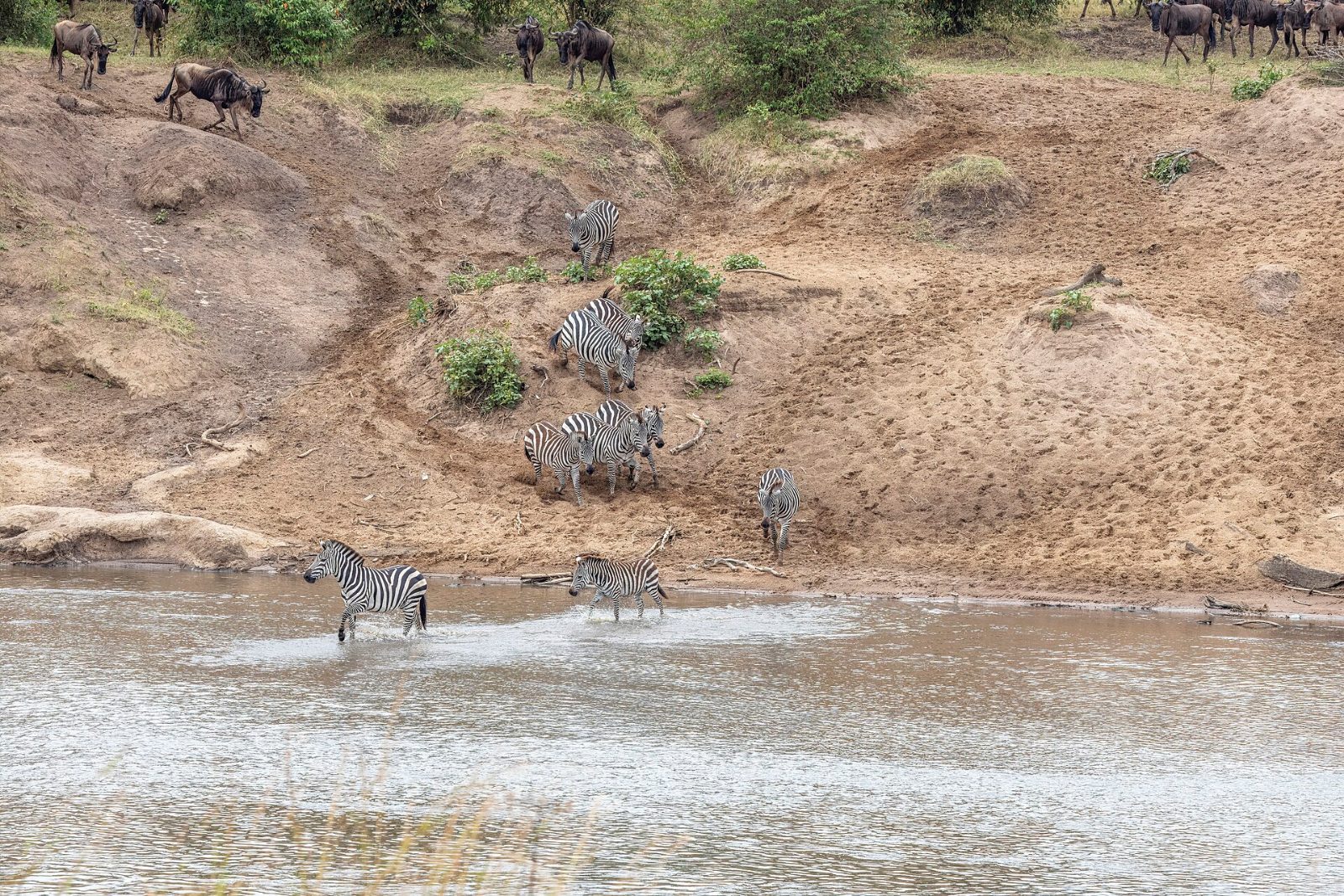
A northern Tanzania safari looks like one trip and bills like two. The Serengeti is run by Tanzania National Parks. Ngorongoro is run by a separate authority with its own tariff sheet, its own currency and its own extra charges.
Both sheets are public. Both were read on 2 November 2026. Between them they explain most of the gap between two quotes for what looks like the same itinerary.
The figures below are the published tariffs, not a quote. Tour prices bundle them with vehicles, guides, fuel and lodging, so treat this as a way to audit a quote rather than to build one.
Two authorities, two tariff sheets
Tanzania National Parks, usually written TANAPA, publishes one tariff page covering every national park. The Serengeti sits on that sheet alongside Tarangire, Lake Manyara and Kilimanjaro.
The Ngorongoro Conservation Area Authority publishes its own tariff page. Ngorongoro is a conservation area rather than a national park, and the fee structure is different in kind, not just in number.
That split is why a classic northern circuit of Tarangire, the Serengeti and Ngorongoro carries entry charges from two separate government bodies. Your operator pays both and passes both on.
What the Serengeti tariff page publishes
The TANAPA tariff page lists a conservation fee for each park, in Tanzanian shillings, in three visitor categories. For the Serengeti, as of November 2026:
- Non-Resident: TZS 178,850
- Expatriate (resident or working in Tanzania): TZS 89,425
- East African Community citizen: TZS 10,000
- Tarangire and Lake Manyara, for comparison: TZS 127,750 Non-Resident, TZS 63,875 Expatriate, TZS 10,000 EAC citizen
- Kilimanjaro National Park: TZS 178,850 Non-Resident, the same as the Serengeti
The same page carries a short list of rules that matter more than most travellers expect. All of these are quoted from its own visitor information panel.
- Fees are inclusive of 18 percent VAT where applicable. That is unusual and worth confirming against a quote that adds tax separately.
- Children under 5 enter free. Child rates apply to children aged 5 to 15.
- Conservation fees are valid for 24 hours from the time of entry. A three-day Serengeti stay is three charges, not one.
- Payment runs through the Government Electronic Payment Gateway, abbreviated GePG on the page.
- Expatriates must present a valid residence or work permit, and EAC citizens a national ID or passport, to claim the lower rate.
Two caveats about that page, both stated honestly rather than worked around. It publishes no per-park figure for the 5 to 15 child band in the view we could read, only the policy line.
More importantly, the page still labels itself financial year 2023/2024 and gives a validity of June 2024, even when read on 2 November 2026. Its own summary counts 21 national parks while the list below shows 22.
So treat the Serengeti figure as the official published number and confirm the current one with the operator or TANAPA before relying on it. This is the same discipline our note on how to read a tour itinerary applies to inclusions.
Ngorongoro charges in dollars, and the crater is a separate line
The Ngorongoro sheet quotes non-East African visitors in US dollars rather than shillings. That alone makes the two authorities hard to compare at a glance.
The entry permit for a non-East African citizen aged 16 or over is USD 70.80. Expatriates and residents living in Tanzania pay USD 35.40. Tanzanian and EAC citizens pay TZS 11,800.
One oddity in the children's rows is worth flagging. The published table lists children aged 5 and below at USD 23.60 on one line and children below 5 as free on the next, so the two bands overlap as printed.
Then comes the charge that surprises people. Descending into the crater carries a separate crater service fee of USD 295 per vehicle per trip for non-East African citizens, listed under its own heading.
That is per vehicle, not per person, which is why crater day costs are so sensitive to how many seats are filled. The economics behind that are the same ones in our note on small-group versus coach tours.
The authority also prints the rule that governs all of it: a permit, once issued, is valid for one entry within 24 hours only. And the sheet states that tariffs are subject to change without prior notice.
The charges that sit outside the entry fee
Most of the Ngorongoro sheet is not the entry permit at all. It is a list of activities, each with its own fee, and these are the lines that turn up as optional extras in a quote.
- Cultural boma visit: USD 20 per vehicle
- Olduvai Gorge and Shifting Sand: USD 35.40 per adult. Laetoli footprints: USD 23.60 per adult
- Walking safari guide: USD 23.60 per adult for short walks of 1 to 4 hours, USD 29.50 for walks over 4 hours
- Endoro Nature Trail and Elephant Caves: USD 17.70 per adult
- Hot air balloon safari: USD 39.53 per person aged 8 and over. This is the authority's fee, on top of whatever the balloon operator charges
- Bush lunch permit: USD 23.60 per vehicle per trip, for serving a hot lunch inside the area
- Public campsite: USD 35.40 per adult per night. Special campsite: USD 70.80
- Sundown fee: USD 5.90 per adult. Horse riding: USD 11.80. Mountain biking: USD 17.70
- Foreign-registered vehicle permit: USD 47.20 for a tare weight up to 2,000 kg, rising to USD 354.00 above 7,000 kg
- Off-road driving or wrong parking: charged at TZS 118,000 as a penalty
Read that list once and the pattern behind safari pricing becomes obvious. The headline is the entry permit, and the margin lives in the activities, exactly as described in our note on optional excursions.
How this lands on a quote
Four lines decide whether two itineraries are really comparable. None of them is visible in a day-by-day summary, and all four are answerable from the two tariff pages above.
- How many 24-hour park days are being charged. Both authorities run on 24-hour permits, so nights inside a park and permit days are not the same count.
- Whether the crater descent is included. At USD 295 per vehicle it is the single largest line on the Ngorongoro sheet.
- Which activities are listed as included rather than optional. Olduvai, a boma visit, a walking safari and a bush lunch all carry their own published fees.
- Whether park fees are quoted in shillings or dollars. TANAPA publishes shillings for the Serengeti; Ngorongoro publishes dollars for non-East African visitors.
The currency point is not pedantry. A quote that converts the Serengeti figure into dollars has applied an exchange rate on a date it probably does not state, and that rate is now part of your price.
Ticketed sites behave this way everywhere
The structure here is not unique to Tanzania. A published entry fee, a validity window and a set of separately priced extras is the normal shape of a ticketed destination.
Angkor sells one, three and seven-day passes with their own validity rules, set out in our note on Angkor pass prices. Petra bundles entry into a national pass, covered in our note on the Jordan Pass.
What makes northern Tanzania harder is the second authority and the per-vehicle charge. Those two features are what you are checking for when you compare quotes, and our note on comparing two itineraries that look the same sets out the rest of the method.
Bottom line
Ask for park and conservation fees as a separate line in the quote, broken down by day. Any operator running this circuit regularly can produce that in a few minutes, because they pay the two authorities directly.
Then check three numbers against the sheets. The Serengeti conservation fee, the Ngorongoro entry permit, and the crater service fee if the crater is on the itinerary.
Do that before the deposit rather than before the balance, for the reasons set out in our note on the deposit and balance timeline. After the balance date the itinerary is effectively fixed.
One last practical note. Several Ngorongoro activity fees are quoted in dollars and several penalties in shillings, so carrying both is sensible, as our note on money on a tour explains.
Sources
- Tanzania National Parks (TANAPA) - Park Tariffs, Financial Year 2023/2024 (Serengeti, Kilimanjaro, Tarangire, Lake Manyara conservation fees; 18% VAT; 24-hour validity; GePG) – checked 2026-11-02
- Ngorongoro Conservation Area Authority - Tariffs (A entry permit, B motor vehicle permit, C cultural bomas, D camping, E crater service fee, F walking safari, G bush lunch, I Olduvai and Laetoli, J balloon, K horse riding, L mountain biking, M sundown, P penalties) – checked 2026-11-02