Kyoto, Japan: what a package should include
The honest picture
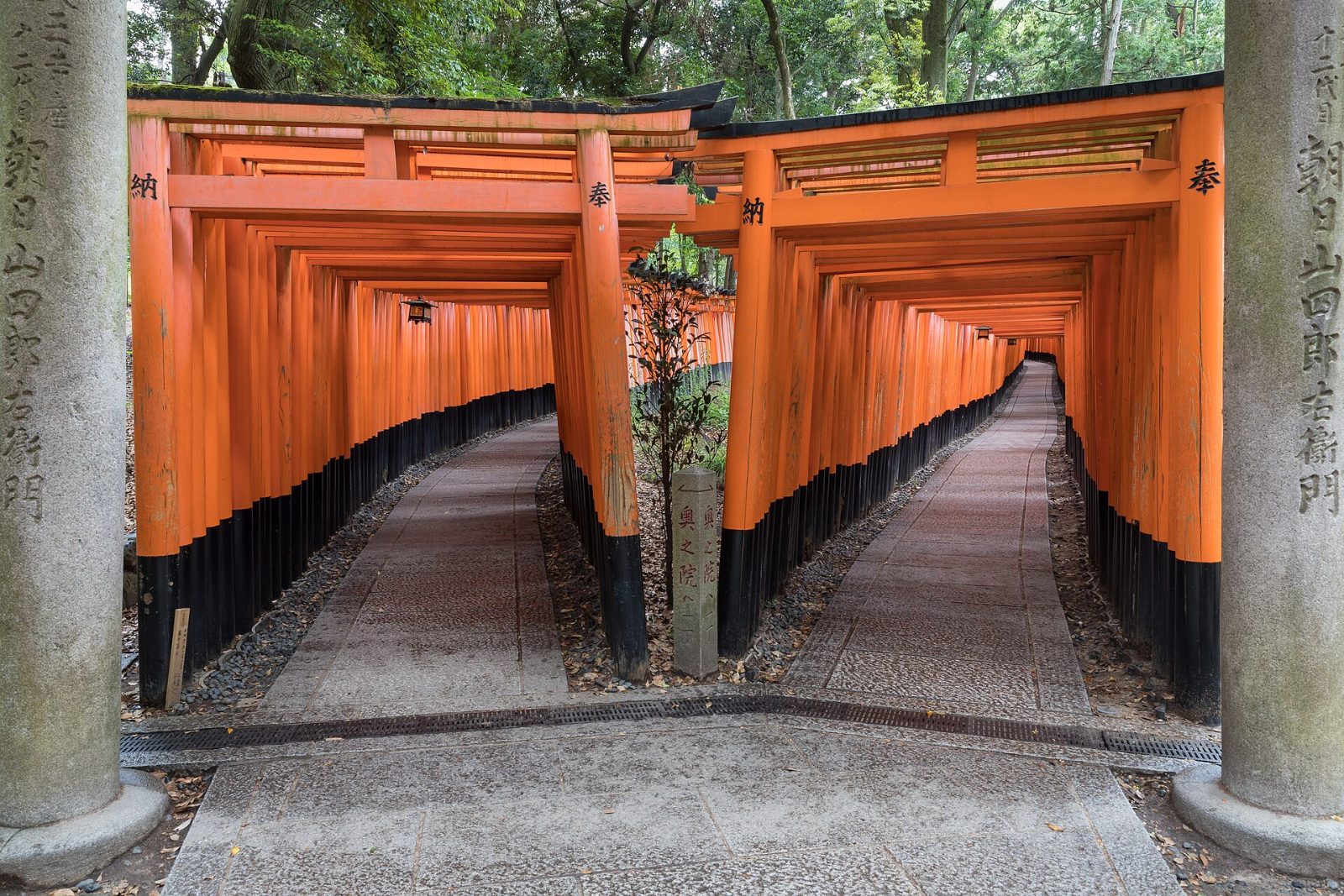
Kyoto was Japan's imperial capital for more than a thousand years, until the court moved to Tokyo in 1868, and it escaped the wartime bombing that flattened most other Japanese cities. The result is a city of around 1.5 million people with roughly two thousand temples and shrines, seventeen of which, together with sites in nearby Uji and Otsu, make up the UNESCO listing of the Historic Monuments of Ancient Kyoto. Fushimi Inari's tunnels of vermilion gates, the bamboo grove at Arashiyama, the gold pavilion of Kinkaku-ji and the wooden stage of Kiyomizu-dera are the images that sell the country abroad.
It is packaged because it sits on the Golden Route. Tokyo, Hakone or Mount Fuji, Kyoto, Nara and Osaka string together on the Tokaido shinkansen with no need for a car, so a 7 to 14 day Japan tour drops Kyoto in for two to four nights almost automatically. Operators like it because a guide genuinely changes the outcome here: the sites are spread across the city, the bus network confuses newcomers, and arriving at the right temple at the right hour is most of the difference between a serene morning and a queue.
The honest picture is that Kyoto is crowded to the point of friction. The city has openly struggled with visitor numbers since tourism rebounded in 2023; some of Gion's private lanes have been closed to sightseers, city buses on the tourist routes are frequently full, and the famous spots after mid-morning are shoulder to shoulder from late March into April and again in November. Summer is fiercely hot and humid, with a rainy season from mid-June to mid-July. Kyoto also closes early: most temples shut their gates by 5pm and the city is quiet by 10pm, which suits some travellers and frustrates others.
The practical upshot for anyone comparing packages is that time of day matters more than the list of sites, and where the hotel is matters more than its star rating. A tour that reaches Fushimi Inari at 7.30am and Arashiyama before 9am, and sleeps within walking distance of a rail station, delivers a different city from one that arrives at both after the coaches have filled the car parks.
When to go
Late March to early April (cherry blossom) and mid to late November (autumn leaves), both crowded. May and October are quieter with good weather.
What a typical package looks like
Kyoto is a 2 to 4 day stop on a 7 to 14 day Japan package, usually paired with Tokyo and Osaka on the rail pass. Day tours from Osaka are common.
| Length | Shape |
|---|---|
| Day tour from Osaka or Tokyo | A coach or small-group day covering three or four headline sites, usually Kinkaku-ji, Fushimi Inari and either Arashiyama or Kiyomizu-dera, sold by city sightseeing companies and as an optional on Osaka-based packages. It suits travellers on a short Japan trip, with the caveat that everything is seen at peak hours. |
| 2 to 3 nights on a Golden Route tour | The most common shape: Tokyo, then Hakone or Fuji, then Kyoto with a Nara half-day, then Osaka or Hiroshima, over 8 to 12 days by shinkansen. Sold by escorted-tour operators of every size. It suits first-time visitors who want the country's headline cities handled in one booking. |
| 4 to 5 nights, Kyoto as the base | Kyoto as the fixed base with day trips to Nara, Osaka, Uji, Himeji or Kobe by train. Sold by small-group and self-guided package companies. It suits second-time visitors, food-focused travellers and anyone who would rather unpack once than change hotels every two days. |
| Self-guided rail package, 7 to 14 days | Hotels, rail tickets or a pass, a handful of pre-booked experiences and perhaps a private guide for one day, with the rest left to the traveller. Sold by specialist Japan agencies. It suits confident travellers who want the bookings handled but not the days scripted. |
What the price includes, and where money leaks
A Kyoto stay inside a Japan package usually includes the hotel, breakfast, rail between cities and a guide or tour leader, with one or two group dinners, often the kaiseki meal at a ryokan. Lunches are normally on the traveller, as are temple and garden entry fees, which are individually small but add up over a week of sightseeing. Since the Japan Rail Pass rose steeply in price in late 2023 many operators have stopped bundling it and instead buy point-to-point shinkansen tickets, so the question is no longer which pass but which train: the fastest Nozomi services need a separate supplement on top of the pass.
Optional experiences are where the budget stretches. A private tea ceremony, a dinner with a maiko or geiko, a kimono rental, a cooking class or a Hiroshima day trip can each cost as much as a hotel night, and packages tend to present these as add-ons rather than in the headline figure. Ryokan nights are commonly priced per person including dinner and breakfast, so a single traveller pays a supplement that can be large. Luggage forwarding between cities, which most travellers end up wanting because the trains have little space for big suitcases, is another small line that is rarely included. Kyoto levies an accommodation tax per person per night, tiered by room rate and raised in 2026; some operators absorb it, others collect it at check-in.
Tipping is not customary in Japan, so a package that builds a tipping kitty for the tour leader is following the operator's home convention, not local practice; ask. When comparing quotes, count the nights actually in Kyoto rather than in Osaka, note whether the itinerary states start times, and check whether a ryokan night is real or an optional upgrade.
Getting there
Most international visitors arrive via Tokyo's Narita or Haneda and reach Kyoto by shinkansen in a little over two hours, or via Kansai International Airport south of Osaka, from which a direct airport express runs to Kyoto Station in around 75 to 80 minutes. Osaka's Itami airport handles domestic flights. Kyoto Station is a hub for the shinkansen, JR lines, the subway and the main bus terminal, which is why so many tour hotels cluster around it.
Escorted packages generally include the airport meeting and the transfer, either by coach or by accompanied train. Self-guided packages tend to supply rail tickets and instructions rather than a person, and it is worth knowing that a large suitcase on the Tokaido shinkansen requires a reserved oversize-baggage seat. Some group tours base themselves in Osaka and enter Kyoto daily by train, which is efficient for the operator and poor for early starts.
Where packages put you
Packages use four broad types. Western-style hotels near Kyoto Station or along the Karasuma and Kawaramachi corridors are efficient for rail and subway, with small but well-run rooms. Traditional ryokan offer tatami rooms, futon bedding, communal baths and a set-time kaiseki dinner, usually for a single night as a highlight; the experience is the point, and it comes with etiquette around bathing, footwear and, at some establishments, visible tattoos. Renovated machiya townhouses, rented whole, suit families and longer stays. Business hotels on the outskirts are cheap and are what some coach tours mean by 'Kyoto hotel'.
On the ground the differences are about walking and hours. A hotel in Higashiyama or Gion puts the evening lantern-lit streets and the early-morning temples on foot; a hotel by the station puts everything a bus or subway ride away but makes day trips effortless; a hotel in Otsu or south Osaka, which some large-group tours use, adds an hour each way and rules out the dawn visits that make the city bearable in peak season. Ask for the hotel name or at least the neighbourhood before booking.
Check these before paying a deposit
- Whether the rail pass is included and which class.
- How early the itinerary reaches Fushimi Inari and Arashiyama: after 9am both are packed.
- Ryokan nights: how many, and whether dinner is included.
- Group size. Temple visits with 30 people move very differently from visits with 12.
Good for
Culture and food First visit to Japan Travellers who dislike driving
Skip it if
You want beaches or nightlife; Kyoto closes early.
What to ask the operator
The questions that matter for Kyoto are about the clock and the feet. What time does the group leave the hotel, and which site is first? How many temples in a day, and how much is walking versus coach? Is the ryokan night included, optional or absent, and does it come with dinner? Which train class, and is the Nozomi used? Since 2018 a national licence is no longer legally required to guide for pay in Japan, so 'licensed guide' now means the operator has chosen to use one; it is still a reasonable thing to ask for, especially for temple interpretation.
Group size shapes the experience more here than in most cities. A coach of 40 needs coach parking, which restricts it to the large sites and the busy hours, and moves through the lanes below Kiyomizu-dera as a procession. A group of 12 can take the train to Fushimi and the subway to Nijo Castle, walk the Philosopher's Path and fit into a small restaurant. Kyoto's own visitor guidance asks people to avoid the busiest routes at the busiest times, and small-group operators can act on that where coach operators cannot.
Mistakes people make here
- Booking a 'Kyoto' package that sleeps in Osaka every night and enters the city at 10am.
- Expecting cherry blossom or autumn colour to arrive on the brochure's dates rather than within a two to three week window.
- Reaching Fushimi Inari or the bamboo grove after mid-morning and blaming the guide for the crowd.
- Travelling with a large suitcase and no plan for forwarding it between cities.
- Assuming a ryokan works like a hotel, then missing the fixed dinner time or the bathing etiquette.
- Filling the evening plan with nightlife the city does not have.
- Skipping the Nara half-day to save a few hours, when it is one of the easiest and most rewarding trips from the city.
Where to compare packages for Kyoto
For multi-day packages, start with a marketplace to see the field, then check the operator's own site for price and terms. For day tours inside a trip you have planned yourself, use an activity marketplace.
| Use | Where | Why |
|---|---|---|
| Multi-day packages | TourRadar, G Adventures, Intrepid Travel | Widest catalogue first, then two operators that run their own trips. |
| Day tours and tickets | Viator, GetYourGuide, Klook | Fill free days; check the free-cancellation window on each listing. |
Frequently asked questions
How many days do you need in Kyoto?
Two full days cover the headline sites at a brisk pace, three allow a Nara or Uji trip, and four or five let the city breathe. Most packages provide two or three nights, which is adequate if the start times are early and the hotel is central.
Is Kyoto covered by the Japan Rail Pass?
The city's JR lines and the Hikari and Kodama shinkansen are covered; the faster Nozomi trains need a paid supplement. Since the pass price rose in 2023 it only pays off on longer itineraries with several long-distance legs, and many packages now supply individual tickets instead. Kyoto's subway and city buses are separate systems and are not covered by the pass.
Should I stay in Kyoto or Osaka?
For Kyoto's sights, Kyoto. Osaka is livelier at night and often cheaper, and it is under 30 minutes away by train, but a day trip cannot reach the temples before the crowds. Packages that base in Osaka are choosing the operator's convenience over the visitor's.
When is Kyoto least crowded?
January and February are quiet and cold; June's rainy season and the heat of July and August thin the numbers at a price in comfort. May and October offer good weather with more moderate crowds. Late March to early April and mid to late November are peak, with peak hotel rates.
Do I need a guide in Kyoto?
No. The city is safe, well signed and navigable by train and bus. A guide earns their fee on timing, on interpreting what the temples mean, and on saving hours of confusion at bus stops. For a first visit with limited time that is often worth it; for a longer, slower stay it is optional.
Is one night in a ryokan worth it?
For most travellers, yes, once. The meal, the bath and the room are the experience, and a single night is enough to appreciate them. Check whether dinner is included, whether the bath is communal or private, and how the operator prices the night for solo travellers.
From operator itineraries, official tourism and park authorities, and published traveller reports. Nobody on the team is claiming a trip they did not take. Prices are deliberately left out because they change weekly; check the operator page on the day.