Iceland Ring Road: what a package should include
The honest picture
Route 1, the Ring Road, loops for roughly 1,300 km around Iceland's coast, linking Reykjavík, the south coast's waterfalls and glacier lagoons, the east fjords, Lake Mývatn and the north, and the farmland of the west. Almost everything a first-time visitor wants is on it or a short detour away: Seljalandsfoss and Skógafoss, the black sand at Reynisfjara, the outlet glaciers of Vatnajökull, the icebergs of Jökulsárlón, Dettifoss, Goðafoss and Akureyri. The Golden Circle of Þingvellir, Geysir and Gullfoss sits inland off the road's western end and is usually done as a day from the capital.
Iceland packages exist because the country is expensive, sparsely serviced and weather-driven, and pre-booking removes three sources of stress at once. In summer there are two products: a guided circuit by coach or minibus with a driver-guide and hotels arranged, or a self-drive with a hire car, a set of hotel vouchers and a route plan. In winter the ring is often impractical, and packages contract to three to five days on the south coast with northern-lights evenings and ice-cave excursions. Stopover deals, adding a few Icelandic nights to a transatlantic flight, feed a lot of the short packages.
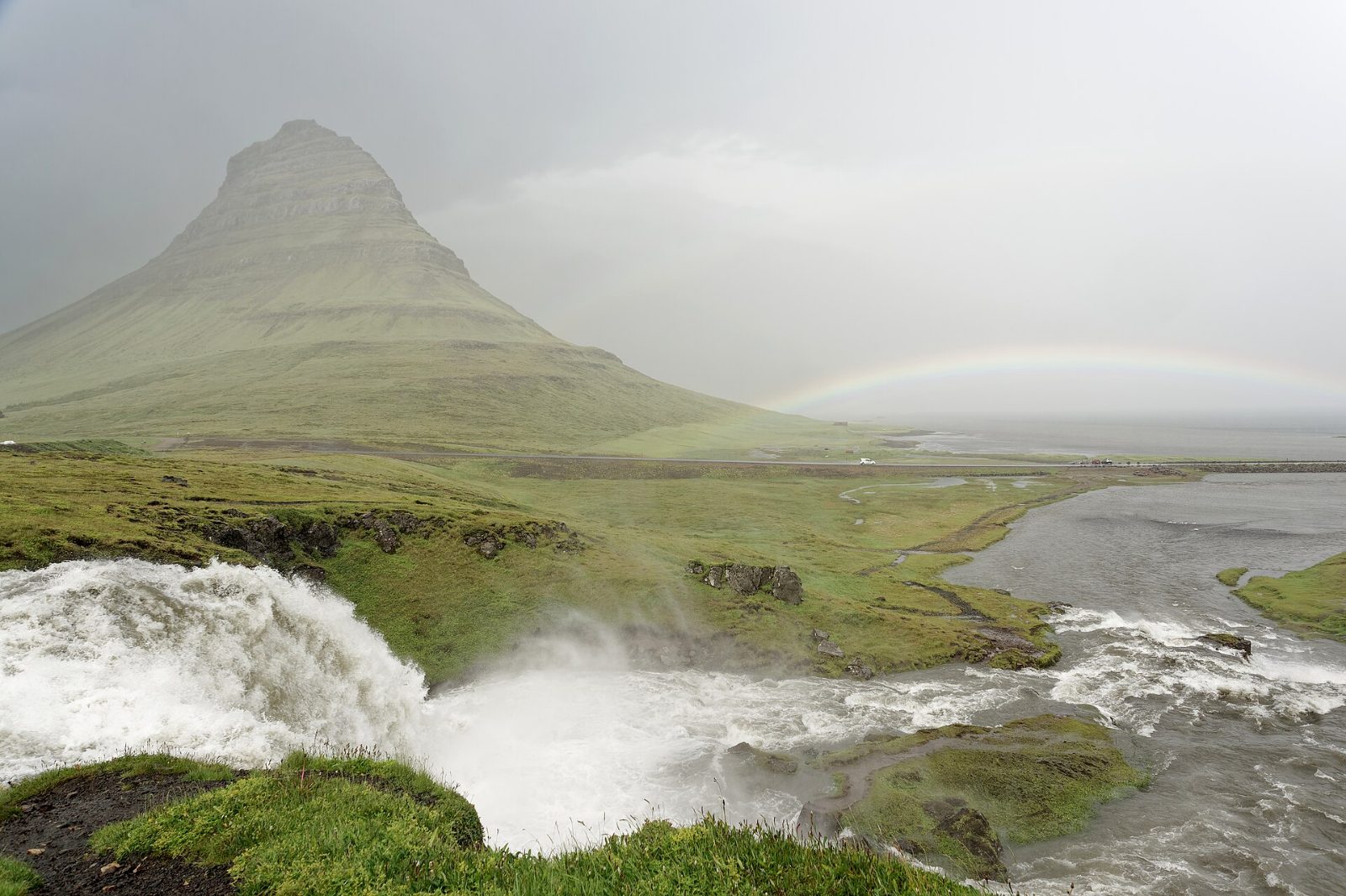
The honest picture: the weather rewrites plans in every season. Summer is cool, wet and windy with almost round-the-clock daylight; winter is dark for most of the day, with roads that close, hotels reached on snow, and northern lights that need clear skies and luck. Popularity has brought parking fees at natural sites, queues at the more famous waterfalls, and hotel scarcity in the east and south-east that pushes summer bookings months ahead. Meals, fuel and alcohol are among the dearest in Europe, and few packages include more than breakfast. Volcanic activity on the Reykjanes peninsula near the airport has recurred since 2021, at times closing the Blue Lagoon and local roads.
The real decision is guided or self-drive, and it turns on comfort with driving in wind, on gravel and, in winter, on ice in darkness, and on whether a driver-guide's local knowledge is worth more than the freedom to stop at every waterfall on the way.
When to go
June to August for the full ring with 20 hour daylight. September to March for northern lights, but the north and east can close in snow.
What a typical package looks like
6 to 10 day guided coach circuits, or self-drive packages with pre-booked hotels. Winter packages usually stay on the south coast.
| Length | Shape |
|---|---|
| 3 to 5 day south coast or stopover | A Reykjavík base, or one or two nights near Vík and the glacier lagoon, with the Golden Circle, the waterfalls, a glacier walk or ice cave and a northern-lights evening. Sold by day-tour companies, airlines and stopover programmes. It suits short breaks and anyone visiting between October and April. |
| 6 to 8 day guided Ring Road | A coach or minibus circuit from Reykjavík, clockwise or anticlockwise, with a driver-guide, breakfast hotels and one or two included activities. Sold by escorted-tour operators and Icelandic coach companies from roughly late May to September. It suits travellers who do not want to drive and are content with fixed stops and early departures. |
| 7 to 10 day self-drive | A hire car, pre-booked hotels or guesthouses each night, a suggested route and an emergency line, with activities offered as extras. Sold by Icelandic specialist agencies and by international operators who repackage them. It suits confident drivers, photographers and families who want to stop when they like. |
| Camper-van package, 7 to 12 days | A vehicle that is also the bed, with campsite fees and equipment, sold for summer only by hire companies and some agencies. It suits budget-minded travellers who accept campsites, since sleeping in vehicles outside them is not permitted. |
What the price includes, and where money leaks
A guided Ring Road package typically includes the coach, the driver-guide, hotels with breakfast and perhaps a boat trip on the glacier lagoon or a whale-watching sailing, with all other meals excluded. A self-drive includes the car with basic insurance, the accommodation and breakfast, and rarely anything else. Because food is the biggest daily outlay in Iceland, an honest comparison starts by adding a realistic lunch and dinner budget to every quote; petrol-station grills and supermarket meals are the usual compromise. Entry to natural sites is free, but parking charges at Þingvellir, the south coast waterfalls and other popular stops are now common and are paid on the spot or by app.
Self-drive leaks are in the hire contract. Gravel protection and sand-and-ash cover are sold separately from the standard collision waiver and are genuinely worth having on this road network; so is a reduced-excess option, because the standard excess is high. One-way fees, additional drivers, winter tyres, GPS or hotspot rental and airport-versus-city pick-up all add lines. Fuel for the full ring is a substantial sum on its own. Guided-tour leaks are the optionals: glacier hikes, ice caves, snowmobiling, lagoon spas, horse riding and whale watching each cost as much as a mid-range dinner or more, and a package that includes one or two is not comparable to one that includes none.
Single supplements are steep, because rural hotels have few single rooms and price by room. Tipping is not customary. When comparing, count nights not days, since an '8 day' tour with a late arrival and an early departure is six days on the road; check where the hotels are in driving minutes from the named town; and ask which activities are in the headline figure.
Getting there
Keflavík International Airport is the only practical gateway, about 45 to 50 minutes south-west of Reykjavík across the Reykjanes lava fields. A car-and-passenger ferry from Denmark via the Faroe Islands lands at Seyðisfjörður in the east, which a small number of self-drivers use. Domestic flights link Reykjavík's city airport with Akureyri and Egilsstaðir, and some winter packages fly to the north rather than drive.
Guided packages meet flights or, more commonly, start from a Reykjavík hotel the following morning, with the airport transfer by scheduled coach either included or sold separately. Self-drives usually hand over the car at the airport, which puts a jet-lagged driver on a windy road immediately; a night in Reykjavík first, or a car pick-up in the city the next day, is a sensible adjustment that many operators offer if asked.
Where packages put you
Countryside accommodation on the ring is mostly two to three star in feel whatever the label: family-run guesthouses, converted farm buildings, motel-style hotel chains built for coach groups, and a few boutique and luxury properties around the south coast and Mývatn. Shared bathrooms are common in guesthouses and some packages use them without saying so. Rooms are small, breakfasts are similar everywhere, and dinner is often only available in the hotel because there is nothing else within an hour.
Location does the real work. 'Near Vík' or 'Mývatn area' can mean 30 to 40 minutes along the road, which matters when the day's driving already runs to five hours and the northern lights appear at midnight. In Reykjavík, hotels in the centre allow walking to restaurants; hotels by the ring-road junctions do not. Summer beds in the east and south-east sell out early, so late bookers get whatever is left, and a package's ability to name the hotels rather than say 'or similar' is a good test of how firm the itinerary is.
Check these before paying a deposit
- Self-drive insurance: gravel and sand-and-ash cover are separate and worth having.
- Hotel locations. 'Near Vik' can mean 40 minutes away in the countryside.
- Whether glacier hikes and ice caves are included; they need certified guides.
- Meal costs: Iceland is expensive and most packages include breakfast only.
Good for
Road trips Landscape photography Families in summer
Skip it if
You are on a tight budget; even packages leave a large daily food bill.
What to ask the operator
Ask how the operator handles weather. In winter that means what happens when the south coast road closes or the tour is held in Reykjavík, whether alternative days are offered, and who pays for a missed activity. In summer it means the fallback for a cancelled boat trip. Ask the group size and vehicle: a 16-seat minibus can stop at places a 50-seat coach cannot. Ask whether glacier hikes and ice caves are led by certified guides and whether the ice-cave operator holds the necessary permit within Vatnajökull National Park; both are genuinely required and both are where corners get cut.
For self-drive packages, ask whether the car is appropriate for the season, since winter needs proper tyres and ideally four-wheel drive, and whether the route ever touches an F-road, which two-wheel-drive cars are banned from and insurance does not cover. Ask for the hotel list by name with confirmation numbers, the phone number of a person in Iceland, and what the operator will do if a road closure strands you a night short of the booked hotel. Off-road driving is illegal everywhere in Iceland and fines are heavy, so an itinerary that suggests a shortcut across a beach or lava field is a warning sign.
Mistakes people make here
- Attempting the full Ring Road in five days, or at all in midwinter.
- Declining gravel and sand-and-ash cover on a hire car to save money at the counter.
- Walking towards the sea at Reynisfjara, where sneaker waves have killed visitors.
- Underestimating the food bill because the package looked all-in.
- Booking 'Reykjavík' hotels that are 30 minutes out and require driving to dinner.
- Assuming northern lights are a scheduled attraction rather than a matter of clouds and solar activity.
- Arriving on an overnight flight and driving three hours to Vík the same morning.
Where to compare packages for Iceland
For multi-day packages, start with a marketplace to see the field, then check the operator's own site for price and terms. For day tours inside a trip you have planned yourself, use an activity marketplace.
| Use | Where | Why |
|---|---|---|
| Multi-day packages | TourRadar, G Adventures, Intrepid Travel | Widest catalogue first, then two operators that run their own trips. |
| Day tours and tickets | Viator, GetYourGuide | Fill free days; check the free-cancellation window on each listing. |
Frequently asked questions
Guided tour or self-drive in Iceland?
Self-drive gives freedom to stop and set the pace and is usually cheaper for two or more; guided removes the driving, adds a knowledgeable driver-guide and handles closures for you. In summer either works. In winter, especially for drivers unused to ice and darkness, a guided south-coast trip is the safer choice.
How many days does the Ring Road need?
Seven driving days is a comfortable minimum, eight to ten is better, and packages that promise it in five are describing a marathon. The road is about 1,300 km but the stops are the point, and the east fjords and the north add hours of slow, scenic driving.
Can I see the northern lights on a package?
Only if the sky is clear, it is dark enough, and the sun cooperates; roughly September to April qualifies for darkness. Packages schedule lights evenings and usually offer a second try if the first is cancelled, but nothing can be guaranteed. Getting away from Reykjavík's glow helps.
Is Iceland really that expensive?
Yes. Restaurant meals, alcohol, fuel and activities cost more than in most of Europe, and packages seldom include lunch or dinner. Supermarkets, petrol-station meals and tap water are the standard ways to keep the bill down. Budget a substantial daily amount for food on top of any package.
What insurance do I need for a hire car in Iceland?
Standard hire includes basic collision cover with a high excess. Gravel protection, sand-and-ash protection and an excess reduction are sold separately and are advisable given the road surfaces and wind. Check whether your card or travel policy covers any of it, but do not assume it covers gravel or ash, which are frequently excluded.
Do packages include the Blue Lagoon?
Sometimes as an optional, rarely as standard, and it must be booked with a time slot regardless. Volcanic activity nearby has closed it temporarily in recent years, so it is worth keeping the visit flexible. Other geothermal lagoons around the country offer a similar experience and are often included in northern itineraries.
From operator itineraries, official tourism and park authorities, and published traveller reports. Nobody on the team is claiming a trip they did not take. Prices are deliberately left out because they change weekly; check the operator page on the day.